
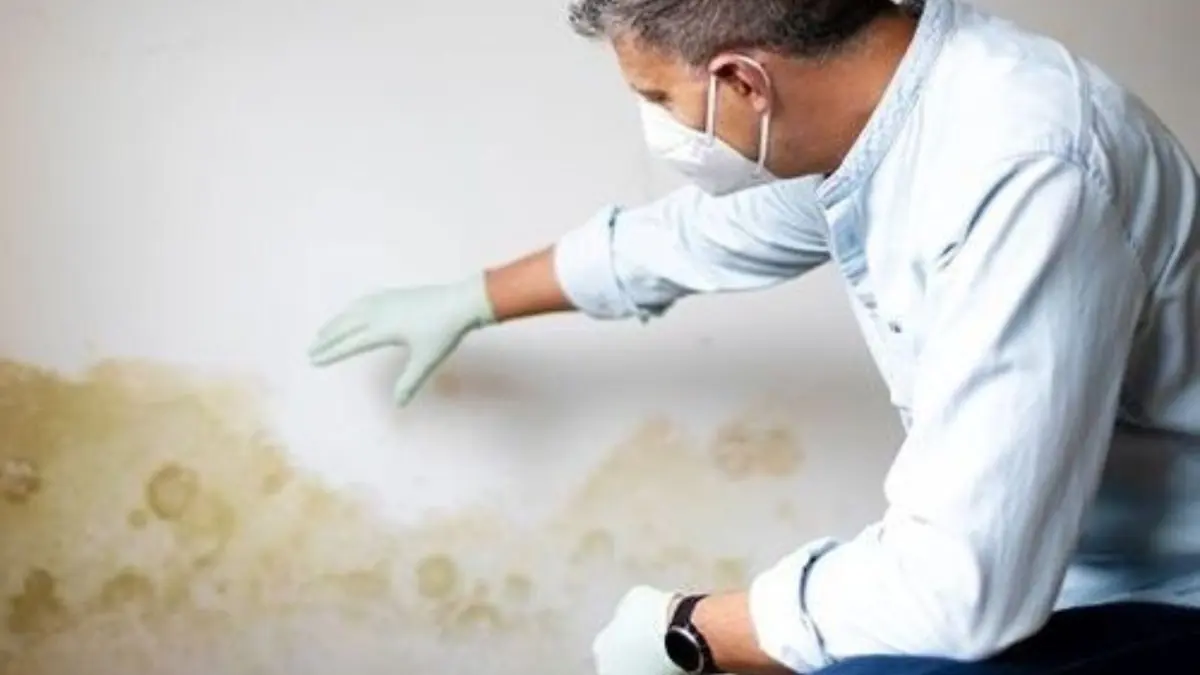
How to get ready for the adjuster's walk-through
To prepare for a water damage insurance adjuster visit, gather your photos, moisture readings, receipts for any temporary repairs, a list of damaged items and a short account of what caused the leak. Then keep the wet materials in place or set aside until your insurer tells you otherwise, as long as that is safe. An adjuster can only evaluate what they can see or what you can show them.
This page is general guidance for homeowners in Laguna Beach, CA. It does not predict what any adjuster will decide, and no one outside your insurer can promise a result.
Adjuster-visit checklist: what to have ready and why
Print this or keep it on your phone. Each row takes a few minutes to prepare.
| Have ready | Why it helps |
|---|---|
| Dated photos and video of every wet area | Shows the condition before cleanup and before drying changed it |
| Moisture readings and drying log from the crew | Shows how wet materials were and when they reached dry |
| Receipts for temporary repairs and supplies | Backs up the steps you took to limit further damage |
| Written list of damaged items with room and age | Keeps belongings from being forgotten on the day |
| Short note on the cause and when you noticed it | Helps separate a sudden event from a slow one |
| Damaged materials kept aside, if safe to store | Lets the adjuster inspect what was removed |
| Phone and email log with names and dates | Gives a clear history of every conversation |
If an item is unsafe to keep, such as sewage-contaminated material, photograph it and ask your insurer what they want instead.
Questions worth asking while they are in your home
Write your questions down before the visit, because the walk-through moves fast. Ask what documents they still need and how to send them. Ask who your contact is going forward and how to reach them.
Ask whether they want to see any materials the crew has removed or intends to remove. Ask what the next step is after the visit and when you should expect to hear from them. Note the answers and the date.
Do not ask the adjuster to promise coverage on the spot. A visit is an inspection, not a decision, and a vague answer is normal.
Why drying records explain more than a photo can
A photo of a stained wall shows the surface. It does not show that the wall cavity held water for days or that a carpet pad stayed saturated. Moisture meter readings and thermal imaging camera pictures fill that gap.
When a crew records starting readings, equipment placement and daily follow-up readings, the scope makes sense on paper. It shows why a section of baseboard came off or why air movers and LGR dehumidifiers ran for several days. Our water mitigation work is built around that kind of record, and the crew can hand you a copy.
Industry practice is published in ANSI/IICRC S500 for water damage restoration. You can ask any company whether its crews work to that standard.
Not sure what to photograph first?
Call now. We can walk you through it while a crew is arranged, when available the same day.
What Laguna Beach homeowners should know about the claim process
The California Department of Insurance Residential Claims Guide (a state agency publication) tells policyholders to keep a log of all phone calls and correspondence, and to keep copies of correspondence. It also says to make temporary repairs to prevent further damage. Both are things you can do before the adjuster arrives.
The guide adds that policies may not cover ensuing damage to your property if you have not taken reasonable steps. So protecting the home is part of the claim, not separate from it. The guide notes that the Fair Claims Settlement Practices Regulations set time limits for insurers but does not state them, so read the regulations on the Department's website rather than relying on a number from a neighbor.
A simple order for the day of the visit
Keep the day calm and organized. The adjuster is working through a file, and you are building your own.
- 1
Open the affected areas
Unlock rooms, clear a path and make sure the adjuster can reach crawl spaces, closets or the area under a sink if they need to.
- 2
Walk them through in order
Start at the source, follow the water, and show each room. Point out what the crew removed and where drying equipment sits.
- 3
Hand over copies, keep originals
Give copies of photos, the drying log and receipts. Keep your originals and note what you gave and when.
- 4
Write it down right after
Right away, add the visit to your log: who came, what was said, what they asked for next.
When the damage is bigger than the visit suggests
Sometimes hidden damage shows up after the first look. A baseboard lifts, a floor cups, or a musty smell appears behind a cabinet. Tell your insurer promptly and send the new photos and readings, rather than waiting for the next scheduled step.
If materials need to be rebuilt after drying, our water damage repair crews can explain the rebuild scope in writing before work starts. You can pass that scope to your insurer and ask them how it compares to theirs.
If you split time between Laguna Beach and a nearby town
Some owners have a second property or a relative's home in Newport Beach, about ten miles away, or in Dana Point. The same preparation applies anywhere: documents, a log and photographs taken before cleanup.
If you cannot be present for the visit, ask your insurer whether someone you name can attend with a printed copy of the checklist above.
Frequently Asked Questions
Should I clean up before the adjuster arrives?
Stop the water and take protective steps, but photograph everything first. The California Department of Insurance guide says to make temporary repairs to prevent further damage.
Keep removed materials aside if it is safe, and ask your insurer if they want to inspect them.
Can the crew be present at the adjuster visit?
Often yes, if you ask. Having the crew explain moisture readings and equipment can help the adjuster understand why the scope looks the way it does.
Ask your insurer whether they accept that, and tell the dispatch line the appointment time.
What if I disagree with the adjuster's scope?
Ask your insurer in writing how they reached it and what documents would help. Send your drying records and the crew's scope.
Check your policy and ask your insurer about their review process. We cannot promise any outcome.
How long does the insurer have to respond?
The Fair Claims Settlement Practices Regulations set time limits for insurers. The Residential Claims Guide does not state them, so read the regulations on the California Department of Insurance website.
Keep your call and email log dated so you can see what has happened and when.
My Laguna Beach home is on a hillside with limited access. Will the adjuster still see everything?
The City's Housing Element describes steep hillside terrain shaping development, so tell your insurer about access issues when you schedule. Ask for a time with good light and clear parking.
Photograph crawl spaces and exterior walls yourself in case the visit is short.