
What cleanup covers after the leak is shut off
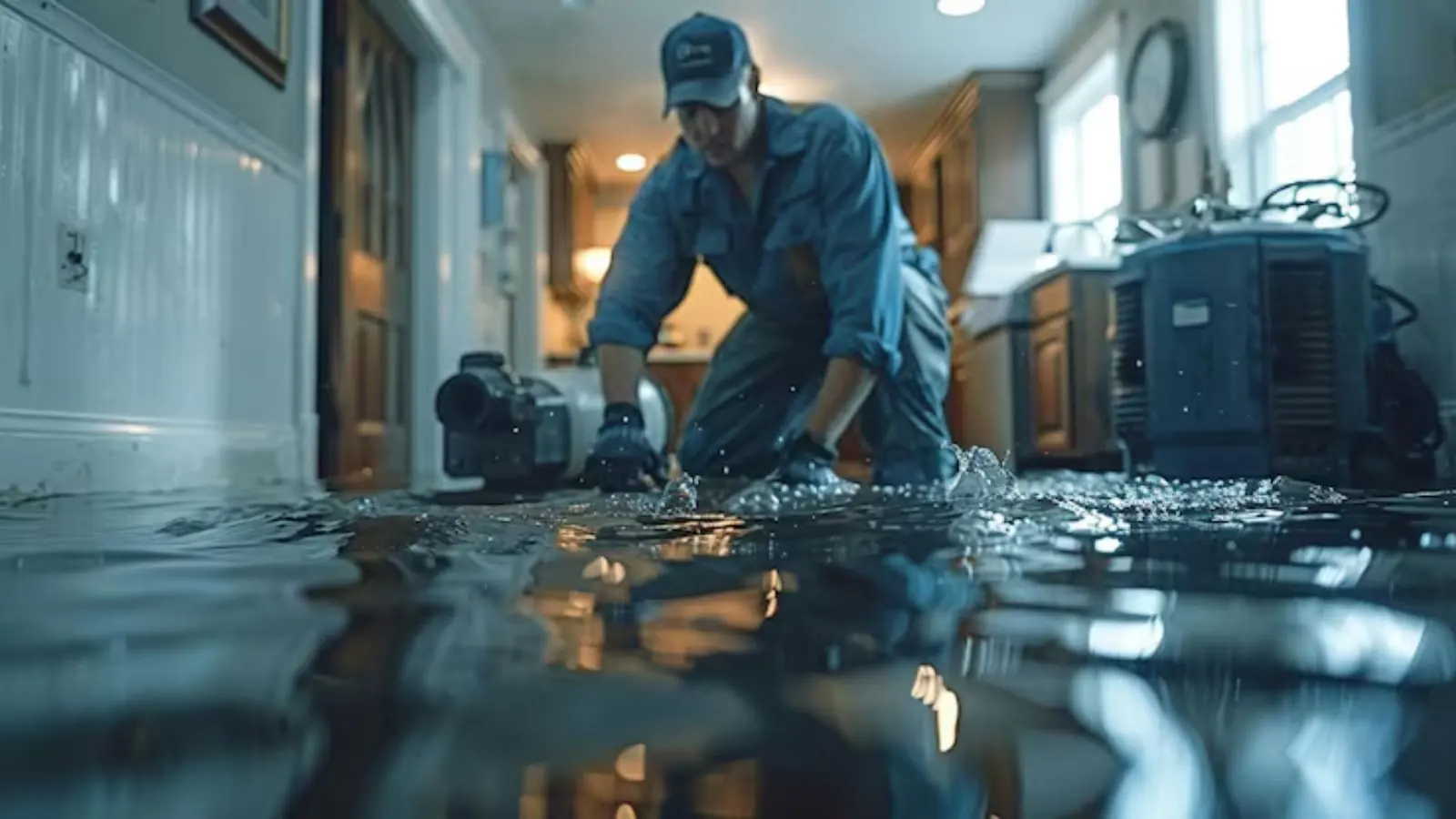
Emergency water damage cleanup in Laguna Beach, CA is the removal of standing water, wet debris and ruined materials, followed by cleaning, sanitizing and deodorizing what stays. It begins once the source is stopped. The goal is a clean structure that is ready to be dried and repaired.
Cleanup and drying are separate jobs that overlap. Extraction units pull the water, crews carry out what cannot be saved, and air movers and LGR dehumidifiers work on the rest. If your main need is pulling water out fast, our emergency water removal page covers that step, and water mitigation covers the full drying plan.
Emergency cleanup: the first 48 hours decide what you keep
Call the 24/7 line the moment the water is stopped, including nights and weekends. We offer same-day response when available, and dispatch never closes. Every hour that wet drywall, carpet pad and cardboard sit in a closed, damp room makes them harder to save.
The EPA says to dry water-damaged areas and items within 24 to 48 hours to prevent mold growth. That window is why cleanup and drying start together instead of waiting for a convenient day. Mold needs moisture, so pulling out soaked debris early removes both the food and the water.
While you wait, stop the source and shut off the main water valve. Lift valuables off wet floors. Keep people and pets out of drain, toilet or outdoor water.
What you can do while the crew is on the way
Stop the water
Close the fixture valve or the main water valve. If a supply line is spraying, the main valve is the quickest fix.
Power down wet zones
Switch off breakers for wet rooms only if the panel is dry and you are not standing in water. If you are unsure, stay out and call the utility.
Lift what you can
Move small furniture, books, shoes and electronics to a dry counter. Pull loose rugs off the floor so the surface underneath can breathe.
Photograph first
Take wide shots and close-ups of the water line, the source and each damaged item. A short video walk-through adds useful detail.
Contents and debris removal: what leaves first
Crews carry out the wettest, most at-risk items first, then clear a path for equipment. Soaked carpet pad, saturated insulation, wet cardboard and swollen particleboard cabinet bases usually leave the building. Bagged and set outside, they stop adding moisture to the room.
Contents are sorted into three piles: dry on site, clean off site, or discard. Glass, metal and sealed wood furniture often clean up well. Mattresses and upholstery that soaked through are usually discarded, especially after Category 2 or 3 water.
Keep a running list and photograph each discarded piece before it leaves. That list supports your insurance claim later.
Keep, dry or discard: how materials usually sort
Porous materials soak water in and are hard to clean. Non-porous ones shed it. The table shows the usual call, though a moisture meter reading settles close cases.
| Item or material | Porous or not | Usual guidance |
|---|---|---|
| Tile, glass, metal, sealed hardwood | Non-porous | Clean, sanitize and dry. Usually kept. |
| Framing lumber and plywood subfloor | Semi-porous | Dry in place with air movers and recheck with a moisture meter. |
| Drywall after brief clean-water exposure | Porous | Sometimes dried if firm and flat. Cut out if soft or stained. |
| Drywall and insulation after contaminated water | Porous | Discard. |
| Carpet after clean water, caught early | Porous | Often extracted and dried in place. |
| Carpet pad | Porous | Discard. |
| Mattresses and soaked upholstery | Porous | Discard in most cases. |
| Electronics and appliances | Mixed | Do not power on. Have them inspected first. |
Final calls depend on the water category and how long each item stayed wet.
Antimicrobial cleaning and deodorizing in plain words
After debris is out, hard surfaces are scrubbed with detergent and water, which the EPA lists as the basic method for non-porous surfaces. An antimicrobial product is then applied to the clean surface to slow the growth of microbes. The area must dry completely afterward.
Deodorizing comes last. A lasting smell usually means something is still wet or still inside the structure, so crews find that source first. Sprays only mask the odor, while air scrubbing and fogging work after the wet material is gone.
Fuzzy growth, or a smell that keeps returning, is a mold remediation question. That work follows ANSI/IICRC S520 practice and is its own scope.
Hard water leaves marks on dried surfaces
The Laguna Beach County Water District reported total hardness of 274 ppm, or 16 grains per gallon, in its 2022 water quality report. Water that evaporates from a surface leaves its minerals behind as whitish spots or a thin scale.
That matters after cleanup because a wet floor or shower wall can look cloudy even when it is clean. Rinse and wipe it, and mention it to the crew so spotting is not mistaken for damage. If you live in South Laguna, your water comes from the South Coast Water District, so this figure may not apply to you.
Photos and records for your insurance claim
Take photos and video before cleanup starts, then again as items come out. Capture the water line on walls, the leak source, appliance data plates and every item headed for disposal. The California Department of Insurance advises keeping a log of all phone calls and correspondence with your insurer.
It also says to make temporary repairs to prevent further damage, and that policies may not cover ensuing damage if you have not taken reasonable steps. Stopping the water and calling for cleanup are the kind of steps that advice describes.
Coverage depends on your policy. Sudden and accidental water damage is often covered, while gradual leaks often are not. Check your policy and ask your insurer, because we cannot say how any claim will turn out.
Still have wet debris in the house?
Call now. Dispatch is open every hour of every day.
Safety first
Do not touch electrical equipment if it is wet or if you are standing in water. Call the utility or 911 about electrical or gas risks before you call us. Treat water from a toilet, drain or outdoors as contaminated, wear gloves and boots if you must enter, and keep children and pets away.
What shapes the price of a cleanup
Scope and price are explained before work starts. Five things move the total, and an insurance policy may cover sudden and accidental damage, so check yours. Want your real number? Call.
Water category
Clean water leaves more to save. Category 2 and 3 water means more material removed and more sanitizing.
Affected area
A single bathroom and a whole floor need very different crew time, bags and equipment.
Materials involved
Tile dries and cleans. Carpet pad, insulation and drywall often have to be hauled away.
Drying days and equipment
More air movers and LGR dehumidifiers running for more days raise the total.
Rebuild scope
Cleanup ends at a clean, dry structure. New drywall, paint and flooring are priced as repairs.
Where cleanup ends and repair begins
Cleanup is done when the structure is clean, dry and confirmed with a moisture meter. Rebuilding falls under water damage repair. Restoration is not plumbing repair, waterproofing or roofing, so a failed pipe still needs a plumber.
We serve Laguna Beach and nearby towns, including Laguna Niguel, about nine miles away. Licensed and insured crews explain scope and price before work starts. You can ask any company whether its crews work to ANSI/IICRC S500, the published standard for water damage restoration.
Frequently Asked Questions
Do you handle water damage cleanup emergencies at night or on weekends in Laguna Beach?
Yes. Dispatch runs 24 hours a day, every day, including nights, weekends and holidays. Call (949) 670-0939 and a licensed and insured crew is sent with same-day response when available.
We do not promise an arrival time. We will tell you what to do while the crew is on the way.
What can be dried and what has to be thrown out?
Non-porous items such as tile, glass and sealed wood can usually be cleaned and kept. Porous items like carpet pad, insulation and soaked drywall are more often discarded, especially after contaminated water.
Clean water caught early gives the best chance to save carpet and drywall. A moisture meter and the water category decide close calls.
What should I photograph for my insurance claim?
Photograph the water line, the source of the leak, damaged walls and floors, and each item before it is thrown out. Add video of every affected room.
Keep a log of calls with your insurer and save receipts. Then ask your insurer what your policy requires.
How much does water damage cleanup cost?
It depends on the water category, the area affected, the materials involved, the drying days and equipment, and the rebuild scope. We explain scope and price before work starts.
Call with the details and we can talk through what your situation will likely involve.