
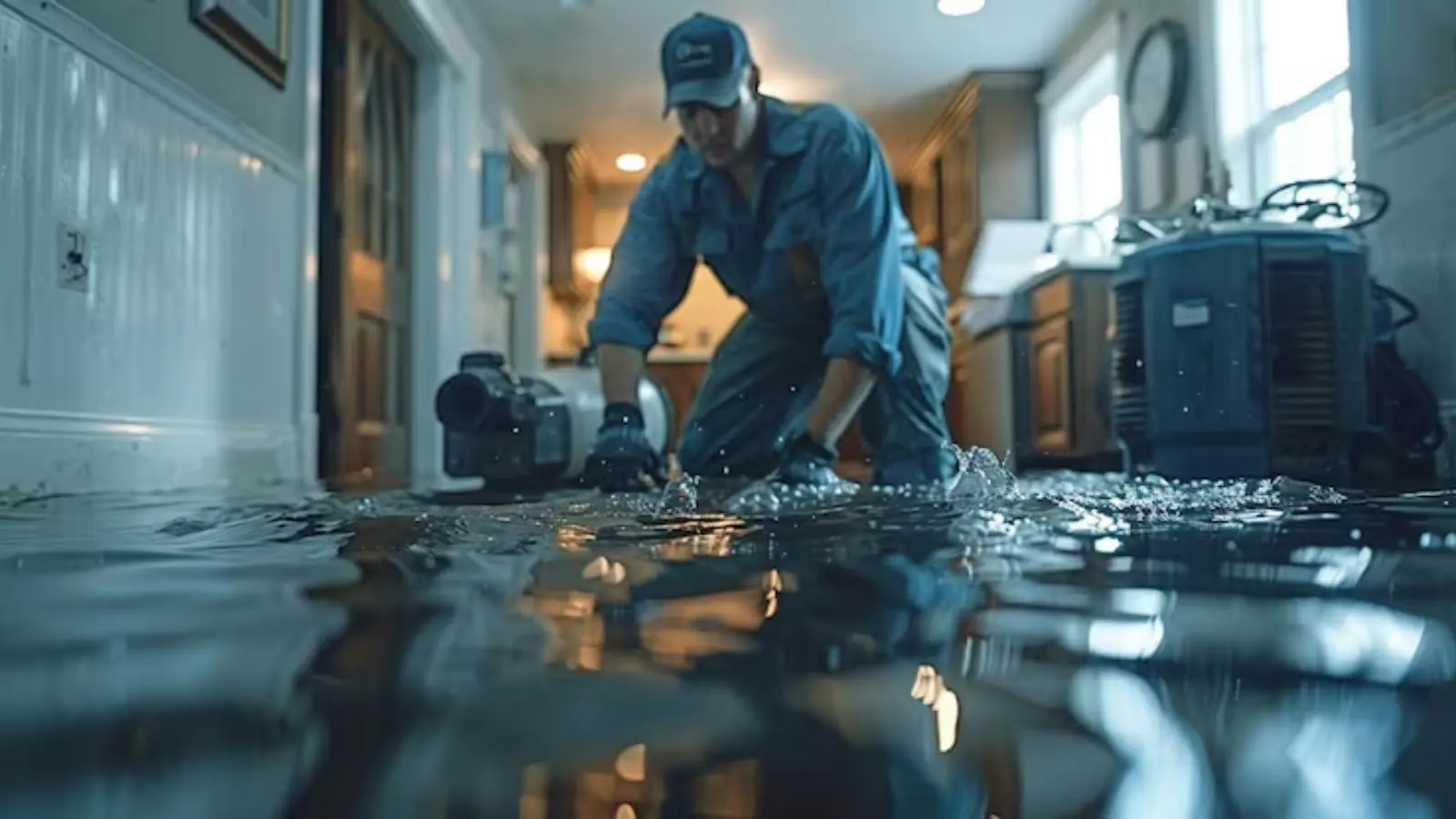
What flood damage restoration involves
Flood damage restoration in Laguna Beach, CA is the emergency removal of storm, groundwater or sewer water from a building, followed by drying, cleaning and removal of materials the water contaminated. Floodwater differs from a broken supply line because it often carries soil, runoff or sewage. That usually puts it in water Category 2 or 3.
The work runs in four stages: make the area safe, extract, remove what cannot be saved, then dry and clean. ANSI/IICRC S500 is the published standard for water damage restoration, and you can ask any company whether its crews work to it.
Floodwater in the house: call right now
Dispatch is open 24/7, including nights, weekends and holidays, and we offer same-day response when available. Floodwater spreads into walls and flooring fast, so a call made at midnight beats one made at breakfast. Calm, specific details help us prepare the right equipment.
Ready.gov is direct about the first rule: do not walk, swim or drive through flood waters, which can be contaminated. If it is safe to do so, turn off electricity to prevent shock. Lift valuables, keep people and pets out of the water, and shut off the main water valve if a broken line is feeding it.
Why hillside homes take on water
Laguna Beach's Housing Element describes steep hillside terrain as shaping how the city was built. Runoff follows that slope, collecting against retaining walls, at the low side of a house and in lower garages. A home that sits below a street or slope can see water arrive from outside, not from a pipe.
The California Geological Survey lists the Bluebird Canyon Landslide of October 2, 1978 among notable historic slope failures. It names no cause, so we do not either. The practical lesson for hillside owners is to watch for wet ground, new seepage and cracks after heavy rain, and tell a professional.
Basement Flooding Cleanup
Not every Laguna Beach home has a basement. Where a home does have one, or has a lower level, a below-grade garage or a room cut into the slope, those spaces take groundwater and drainage first. Water settles at the lowest point and stays until it is pumped out.
The work starts with extraction. Portable extraction units and submersible pumps remove the standing water, and a deep level is often lowered in stages while the surrounding soil is saturated, so walls are not stressed by uneven pressure.
Next, wet carpet, pad, baseboards and lower drywall are cut out. Concrete slabs and block walls hold moisture for days, so air movers and LGR dehumidifiers run until a moisture meter shows dry readings. A thermal imaging camera finds damp spots behind finished walls.
Stored items are the loss people overlook. Cardboard boxes, papers and wooden furniture on a lower level go quickly, so carry out what you safely can once the power is off and the floor is secure.
Raw sewage is coming up from a floor drain or toilet: what now?
That is a sewage backup, and the cleanup is a different job from drying a wet floor. The water is Category 3, meaning grossly contaminated. Stop using every drain and toilet in the house, and keep everyone out of the affected room.
Sewage Backup Cleanup
Category 3 water, often called black water, carries sewage and other contaminants. Porous materials it touches, such as carpet, pad, drywall and insulation, are generally removed and discarded rather than cleaned. Hard surfaces are cleaned, sanitized and dried.
Safety comes first. Do not touch electrical equipment if it is wet or if you are standing in water. If there is any electrical or gas risk, call the utility or 911 before you call us.
Then work out where the blockage sits. The City of Laguna Beach says private sewer lateral maintenance is the property owner's responsibility, including the point of connection (the wye). A plumber clears that line, and we clean up what came up. The City's Plumber's Hotline is for plumbers planning to clear roots, so do not use it as a homeowner emergency number.
Crews extract the liquid, remove affected porous materials, sanitize surfaces, then dry the structure and recheck with a moisture meter.
Whole-house and crawl space flooding
When water covers a full floor, several extraction units run at once, flooring is lifted and wall cavities are opened at the baseboard to dry. A thermal imaging camera finds wet insulation behind walls that look fine. Our water mitigation page explains the drying stage in detail.
Where a home has a crawl space, standing water soaks insulation, ducting and the underside of the subfloor. Crews pump it out, remove wet insulation and dry the framing. Check this space even if the living area stays dry.
Water categories by source, and what is done
The category sets how much has to be thrown out. Crews decide it on site, and it can worsen the longer water sits.
| Category and typical source | What it means | What crews usually do |
|---|---|---|
| Category 1: broken supply line, clean sink overflow | Clean at the source | Extract, dry in place, save most materials. |
| Category 2: washing machine discharge, sump pump failure | Contaminated, not sewage | Extract, remove carpet pad and soaked porous items, sanitize, dry. |
| Category 2 or 3: storm runoff, groundwater seeping into a lower level | Carries soil and debris, treated as contaminated | Extract, discard porous materials, sanitize, dry. |
| Category 3: river flood, sewer backup | Grossly contaminated | Protective gear, remove porous materials, clean, sanitize, dry and retest. |
Heavy runoff and sewage are handled as Category 3 until the crew's assessment shows otherwise.
Flood insurance and FEMA: what to check
The California Department of Insurance says flood is not usually covered by standard homeowners' insurance. A flood policy takes effect 30 days after you sign it, and it typically excludes damage from sources inside the home, like burst pipes. So the time to ask is before a storm.
The City of Laguna Beach FEMA Community Number is 060223, used on flood insurance applications. Floodplain rules are in Municipal Code Chapter 25.38, and flood insurance is mandatory for mapped-floodplain properties financed with a loan. Check the FEMA Flood Map Service Center for your address, and ask the City's Community Development Department about your lot.
If you are already flooded, photograph everything and log every call. Ask your insurer which policy responds, since the water source often decides it.
Water in the lower level or sewage in the drain?
Call the 24/7 line and stay out of the water until you speak with us.
Safety first
Do not touch electrical equipment if it is wet or if you are standing in water. Return home only when authorities say it is safe. For electrical or gas risks, call the utility or 911 first. Never wade through floodwater or sewage to reach a panel or appliance.
What drives the cost of a flood job
Scope and price are explained before work starts. A standard homeowners policy often excludes flood, so check yours. Want your real number? Call.
Water category
Category 3 means more removal, containment and sanitizing than clean water.
Depth and affected area
Several inches across a garage differs from a whole floor or a flooded lower level.
Materials involved
Concrete cleans and dries. Carpet, drywall and insulation are often discarded.
Drying days and equipment
Slabs, block walls and crawl spaces hold moisture, so equipment runs longer.
Rebuild scope
Restoration ends at a clean, dry structure. New finishes are priced as repairs.
What restoration does not cover, and who we serve
Restoration is not drainage work, waterproofing or plumbing repair. After the water is out, a licensed contractor fixes the grading or the pipe, and you can check any license on the California Contractors State License Board site. Pulling water fast is covered on our emergency water removal page, and lingering damp is a mold remediation matter.
We serve Laguna Beach and nearby towns, including Dana Point. Our crews are licensed and insured.
Frequently Asked Questions
Do you handle flood damage emergencies at night or on weekends in Laguna Beach?
Yes. Dispatch runs around the clock, every day, including nights, weekends and holidays. Call (949) 670-0939 and we send a licensed and insured crew with same-day response when available.
No arrival time is promised. Stay out of the water and follow the safety steps while you wait.
Does homeowners insurance cover flood damage?
The California Department of Insurance says flood is not usually covered by standard homeowners' insurance. A separate flood policy takes effect 30 days after signing.
Sudden and accidental water from inside the home is a different question, so check your policy and ask your insurer.
Is sewage backup the same as flooding?
Both can involve Category 3 water, but the source differs. A backup comes up through drains from the sewer lateral, while flooding comes from outside.
The cleanup standards are similar. A plumber clears the line, and we clean the building.
How much does flood restoration cost?
Water category, area, materials, drying time and rebuild scope set the total. Scope and price are explained before work starts.