
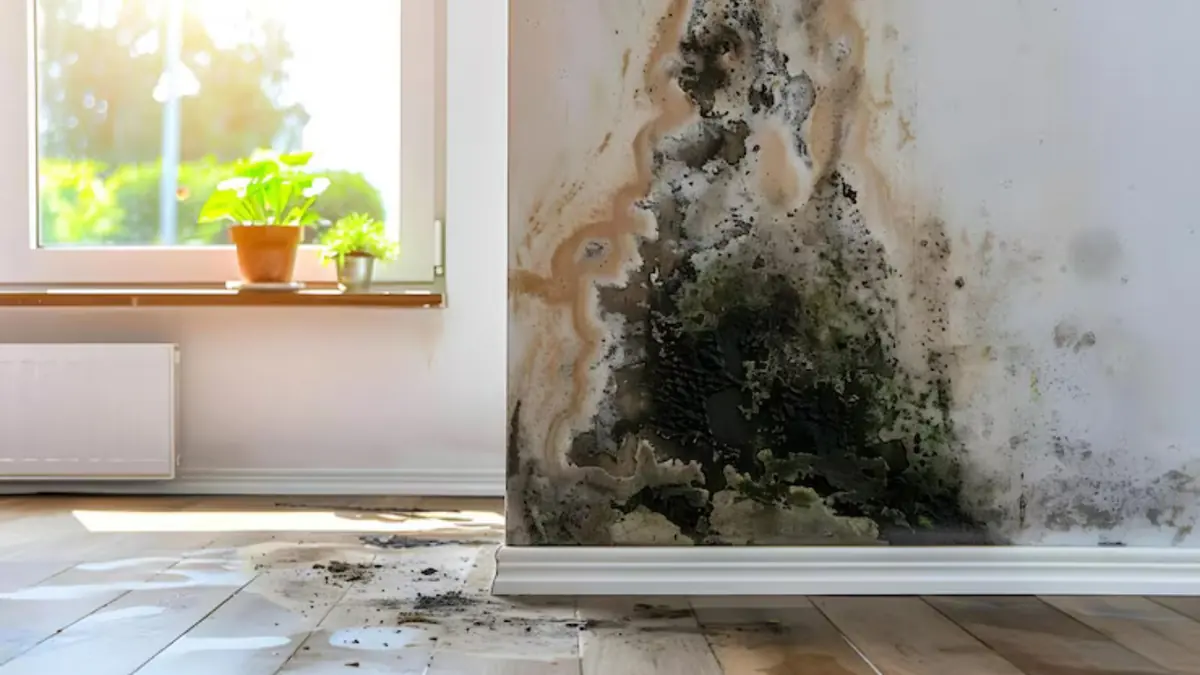
Control the moisture and you control the conditions
Basement mold control means keeping lower-level materials dry enough that mold has nothing to grow on. The EPA puts it directly: the key to mold control is moisture control. No product, coating or air purifier replaces that.
This post is a maintenance routine for Laguna Beach, CA homes with a basement, a below-grade room, or a ground-floor room that sits on a slab against soil. No routine can promise mold will never appear, because a single plumbing failure can wet a room overnight. What a routine does is shrink the window between a leak starting and you noticing it.
A monthly lower-level moisture check
Fifteen minutes with a flashlight beats a repair after months of hidden dampness.
- 1
Look low and in corners
Check the base of walls, the bottom of door frames and the corners behind furniture. Peeling paint, white mineral crust on masonry and a darkened edge on carpet are early signs.
- 2
Smell the room
A musty odor that was not there last month usually means moisture is sitting somewhere. Follow your nose to closets, behind stored boxes and under stairs.
- 3
Read a hygrometer
A cheap digital hygrometer shows relative humidity. The EPA suggests keeping indoor humidity below 60 percent, ideally between 30 and 50 percent, and a reading that stays high is your cue to act.
- 4
Touch the plumbing
Run a dry paper towel along water heater fittings, washing machine hoses, supply lines and drain traps. A damp towel finds a drip that your eyes will miss.
- 5
Write the date down
A note on the wall or phone gives you a baseline. If a stain grows between checks, you know the source is active.
Humidity, airflow and the dehumidifier question
A dehumidifier is the standard tool for a lower level that runs humid. Size it to the room, empty or drain it continuously, and clean the bucket and filter because standing water inside the unit can itself become a problem. Place it away from walls so air can reach the intake.
Airflow matters just as much. Stored boxes pushed tight to an exterior wall block circulation, so leave a few inches of gap and keep items off the floor on shelves or pallets. Exhaust fans in laundry areas and bathrooms should vent outdoors, and a dryer vent that dumps into the room is a moisture source worth fixing.
Do not treat the machine as a cure. If the humidity reading will not come down, something is feeding the room, and the dehumidifier is only hiding a leak.
Moisture sources and what to do about each
Most lower-level dampness traces back to one of a few sources. This table pairs each with a first response.
| Likely source | Early sign | First response |
|---|---|---|
| Plumbing supply or drain leak | Damp cabinet floor, rising water bill, drip sound | Shut off the fixture valve, call a plumber, then dry the materials |
| Water heater or appliance line | Rust ring, puddle, swollen baseboard | Stop the water, move items, set a fan, call for a moisture reading |
| Exterior drainage | Damp wall after rain, efflorescence on masonry | Check gutters, downspouts and ground slope, then ask a qualified contractor about drainage |
| Indoor humidity | Window condensation, musty air | Run a dehumidifier, vent fans outdoors, track the hygrometer |
| Condensation on cold pipes | Beads of water, rust on fittings | Insulate cold lines and keep air moving |
Restoration crews dry and clean what got wet. We do not waterproof foundations or repair plumbing, so the source fix still goes to a plumber or a drainage contractor.
When a leak happens, the clock matters
The EPA says to dry water-damaged areas and items within 24 to 48 hours to prevent mold growth. That is the single most useful number in this post. If a washing machine hose lets go on Friday night, you want standing water out and air moving before Sunday.
Our water damage repair team handles the rebuild after the structure is dry, and our crews run extraction units, air movers and dehumidifiers to get there. If growth is already visible, see our mold remediation page for how containment and removal work to S520 practice.
What Laguna Beach homeowners should know about older plumbing and finishes
The City of Laguna Beach 2021 to 2029 Housing Element, a city planning document, refers to the City's aging housing stock, and reports that 71.3 percent of the city's 13,027 housing units in 2020 were one-unit homes. Single-family homes often have their own water heater, laundry and plumbing runs at ground level.
The practical tie-back: older supply lines, older finishes and older seals mean it pays to inspect more often than a new home would need. Combine that with the EPA's 24 to 48 hour drying point and you have a simple rule. Check low areas monthly, and after any known leak, start drying the same day.
Signs the routine has found a bigger problem
Some findings go beyond a fan and a dehumidifier. Drywall that feels soft, carpet that stays damp after drying, a patch that returns after cleaning, or a stain that spreads between your monthly checks all point to an active source. A crew with a moisture meter and thermal imaging camera can map how far the wetness goes.
For small surface growth on hard materials, the EPA advice is to scrub with detergent and water and dry completely. Anything larger, or anything on porous material that stayed wet, deserves a professional look.
Nearby towns we also dispatch to
We also send crews to Dana Point and to Laguna Woods, so the same routine and the same 24/7 line apply if you manage a relative's home or a second property there.
Ask any restoration company whether its crews work to ANSI/IICRC S500 for water and S520 for mold. Scope and price are explained before work starts.
Found damp material, or just want a reading?
Call the 24/7 line and describe what you checked and what you found.
Frequently Asked Questions
What humidity level should a basement stay under?
The EPA suggests keeping indoor humidity below 60 percent, ideally between 30 and 50 percent. Use a hygrometer in the lower level and note readings over a few weeks, since a single day tells you little.
Is a dehumidifier enough to stop mold?
A dehumidifier lowers humidity, which helps, but it does not stop a leak, and it does not clean existing growth. Pair it with source repair, airflow and regular checks.
Can mold grow back after cleanup?
Mold needs moisture, so growth can return if the area gets wet again. Nobody can promise otherwise. Fix the source, dry materials fully, and keep checking the area.
Do I need to worry about a ground-floor room built on a slab?
Treat it like a lower level. Slab rooms can hold dampness from plumbing in or under the slab. A musty smell, lifting flooring or a cold damp wall base is worth a moisture reading.
How often should a Laguna Beach home with older plumbing be checked?
Monthly is a sensible rhythm for lower levels, plus a check after any appliance failure, plumbing repair or heavy rain. Older supply lines and fittings are the first places to look.